










Theme Song: “Octopus’s Garden,” The Beatles
Robert Louis Stevenson introduced us to treasure maps marked with an X, tropical islands, and one-legged seamen in his classic novel Treasure Island in 1883. What is it about islands that fascinates us and awakens our imaginations?
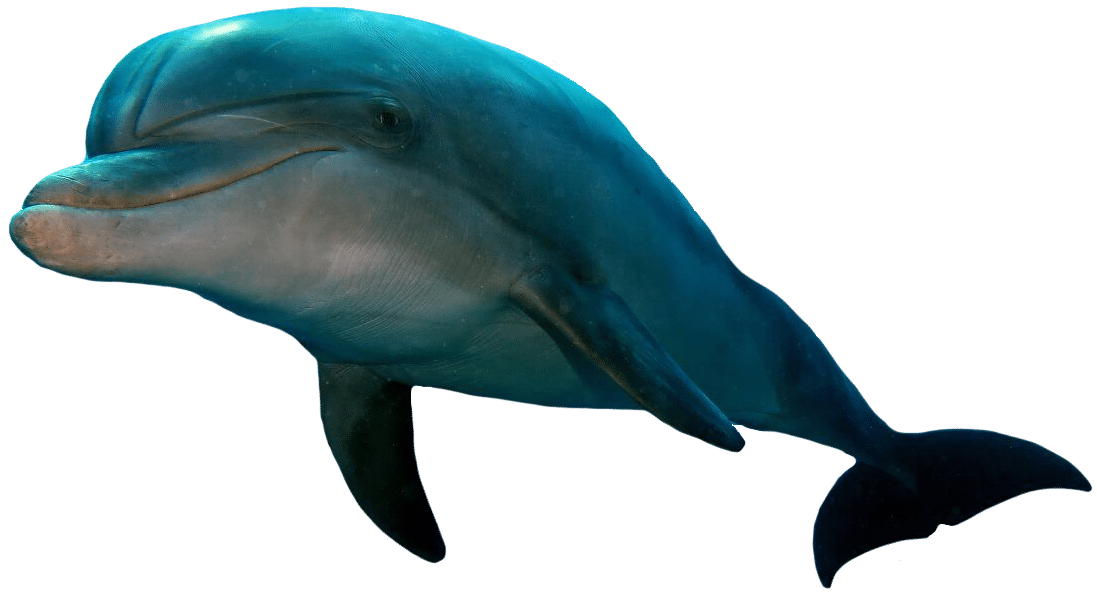
When I first purchased a 97-acre island in Bocas Del Toro, Panama, I was relieved to hear there were no snakes. We had already spotted stingrays, dolphins, starfish, and tarpon from our over-the-water house on stilts, but I was intrigued by what might be living on the land.
One day a native man with a weathered face and a big smile paddled up to our dock in a hand-carved canoe. The bottom of his canoe was loaded with lobsters and crabs the size of a nerf football. He harvested these seafood delicacies a short distance from our island. After a bit of conversation, he offered to deliver lobsters to us every day once our restaurant opens, and we agreed to take him up on it.
We asked about local animals living on our island. He didn’t think there were any. My hopes were dashed, but not for long.
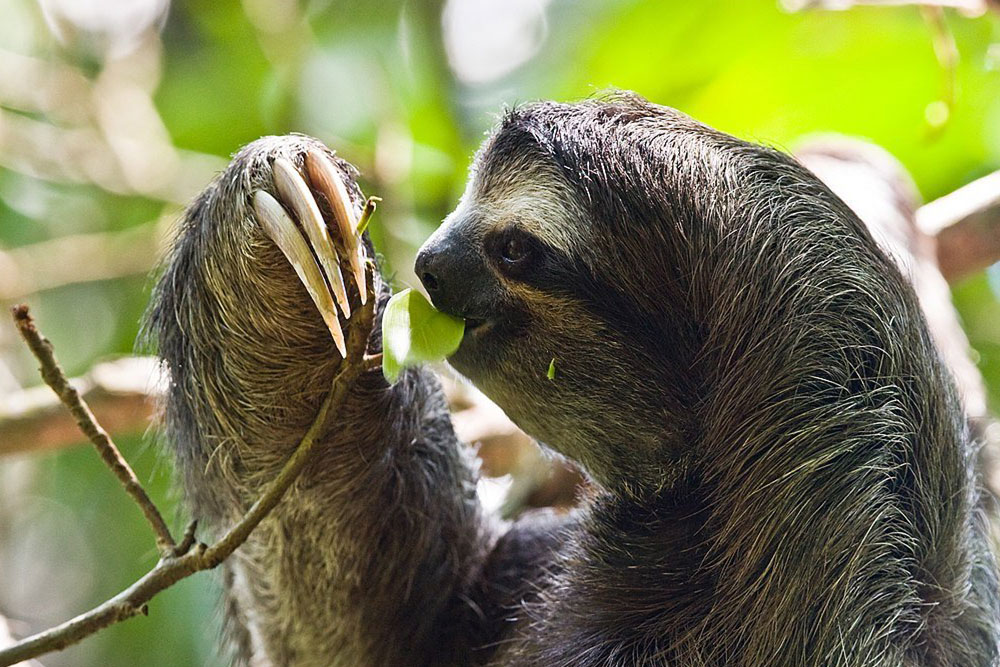
I was back in Michigan braving the winter when I received a text from a friend in Panama. It simply said, “We have an inhabitant on our island.” “What kind of inhabitant?” I asked. The response was simple and to the point, “A sloth.” I was a bit dazed, confused, and elated! Impossible—how did a sloth get to the island? Regardless, we have our very own sloth!

As it turns out sloths are very good swimmers. They are faster in water than on land. This one and two others on the island are three-toed sloths. We rarely see them because they hang out deep in the jungle, move very little, and blend in with the trees.
I learned some interesting things about sloths. They spend half of their lives hanging upside down in trees. The grooved hairs of their shaggy coat are coated with green algae, which helps to camouflage them in trees. There is an ancient, extinct species the size of an elephant called the marine sloth that lived in South America. That might explain why they are such good swimmers.

The goal for our next Panama trip was to develop a plan for beautifying the grounds on our wet mangrove island. No one wants to spend their luxury vacation in a swamp. In preparation, Scott the general manager, Virgilio the builder, and I decided to visit a Bocas Del Toro botanical garden to get inspired. The garden was laden with varieties of towering trees, tropical flowers, and impressive stands of bamboo. The fact that a massive tree that might take 100 years to grow in Michigan where I am from takes only ten years to grow in Panama is mind boggling. We concluded that it would not take long to turn our mangrove swamp into an island paradise.
There were also several types of fruit-bearing trees in the botanical garden. Since I had never tried a jack fruit, Virgilio decided to climb a tree and get me one.

The same day we took a boat over to our island. Seen through the lens of a botanical garden, our damp, spongy island came alive with color and character. The dark pools of murky, stagnant water became ponds teaming with life. The seemingly unattractive landscape became a garden paradise.
We found a two-acre area on the island that seems just right for a botanical garden. We have a blank slate, so we can theoretically create anything we want. Our wish list includes a large koi pond with a romantic sitting area, flowers that attract birds and butterflies, Balinese statues, a small waterfall, Balinese lights hanging in the trees, and many types of trees.
We were walking along a path dreaming about “what-could-be” when I spotted something that looked like a cat, but much larger. Virgilio shouted, “It’s a tigre.” After a quick search on the internet, Virgilio found what we had seen: an ocelot, a smaller member of the leopard family.

I was perplexed again because it didn’t make sense to me that an ocelot could survive on a mangrove island. Sure enough, after doing some research online, I found that mangrove forests are one of the ocelot’s four favorite habitats, in addition to dense tropical forests, savannah grasslands, and marshes. Its worldwide population is estimated to be more than 40,000 and is considered stable. Its fur was once regarded as particularly valuable, but legal trade ceased decades ago. They use their sharp vision and hearing to hunt rabbits, baby peccaries, young deer, rodents, iguanas, frogs, fish, monkeys, sloths, and birds. The part about sloths makes me a little nervous.
We didn’t find any gold doubloons or buried treasure on our island, but it felt like we did. I am convinced that sloths and ocelots are the only inhabitants on the island—until we find more.
Can you recall a time in your life when you had a pleasant surprise? What else do you think we might find on the island?


